


16 May What Really Causes Heart Disease? It’s Not Just Cholesterol
Posted at 10:29h
in 12 Weeks to a Happy Heart, Coaching, General News & Updates from Kevin Wallace & The NewLife Portal, Heart Disease Myths & Truths, Heart-Healthy Nutrition, Managing Heart Disease Naturally, Our Wellness and Healing Services, Preventing Heart Disease, Understanding Heart Disease
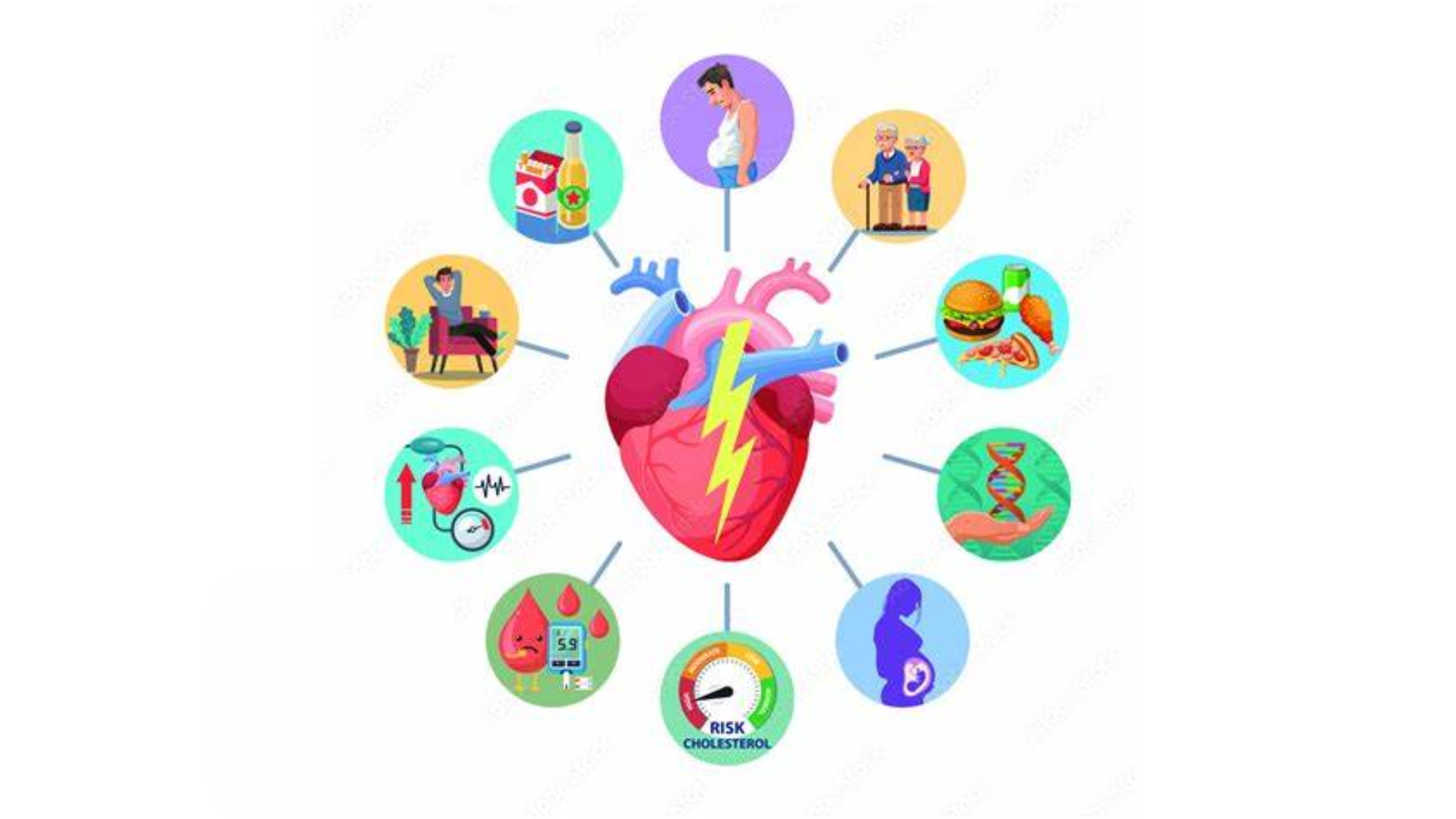
What really causes heart disease? For decades, cholesterol has been vilified as the primary culprit. Yet many people who suffer heart attacks have “normal” cholesterol levels. Emerging research—spearheaded by experts like Dr. Steven Masley—reveals that cholesterol is only one piece of a much larger puzzle.
Introduction: Beyond the Cholesterol Myth
Cholesterol would flow freely if not for chronic inflammation trapping it in arterial walls. Without that inflammatory response, plaques wouldn’t form. Understanding this shift in perspective is critical to true cardiovascular wellness.
Section 1: The Inflammation Factor
Chronic inflammation sets the stage for plaque buildup. Key drivers include:
- Poor Diet—Excess sugars, refined carbs, and processed fats damage vessels.
- Sedentary Lifestyle—Lack of movement raises inflammatory markers.
- Stress—Elevated stress hormones fan the flames of inflammation.
- Environmental Toxins—Pollutants activate immune responses in vessels.
Addressing these is essential to move toward a longer, more fulfilling life.
Section 2: Insulin Resistance & Blood Sugar Spikes
High blood sugar and insulin resistance also accelerate cardiovascular damage. Excess glucose converts to triglycerides and small, dense LDL particles—both potent contributors to arterial blockages. Proper nutrition, movement, and stress management are powerful defenses.
Section 3: Lifestyle & Stress
Heart health is woven into daily habits:
- Sedentary Behavior—Movement keeps arteries flexible.
- Poor Sleep—Disrupted rest raises blood pressure and inflammation.
- Chronic Stress—Ongoing cortisol release damages vessels and upsets blood sugar balance.
In my program, 12 Weeks to a Happy Heart, we integrate mindfulness and stress‑reduction techniques so even the busiest clients find calm and clarity.
Section 4: The Truth About Cholesterol
Not all cholesterol is equal. Small, dense LDL is dangerous; HDL acts as cleanup. A better predictor of risk is the total cholesterol‑to‑HDL ratio. Focus on reducing inflammation and oxidative stress rather than fixating on total cholesterol numbers.
Section 5: Proactive Steps for Heart Health
Real heart health begins with daily choices:
- Eat whole, anti‑inflammatory foods—vegetables, fruits, healthy fats, herbs, and spices.
- Move daily—walking, strength training, yoga, or tai chi.
- Manage stress—breathing exercises, meditation, guided relaxation.
- Sleep well—prioritize deep, restorative rest.
- Get support—personalized guidance and accountability make the biggest difference.
Conclusion: A New Path to Heart Health
Cholesterol may be part of the picture—but it’s not the whole story. Inflammation, blood sugar imbalances, lifestyle habits, and unmanaged stress all play powerful roles. Every step you take—choosing a wholesome meal, taking a walk, or practicing mindfulness—brings you closer to a strong, vibrant heart and a longer, more fulfilling life.
Want to take the next step toward heart health?


